How Self Care Trends Are Shaping the Beauty Industry
Self care has evolved from a luxury into an important part of modern lifestyles. Consumers today are increasingly investing in wellness services that help them feel healthier, more confident, and less stressed. This cultural shift has created major opportunities for beauty and wellness businesses offering professional skincare and aesthetic treatments. One of the most popular services connected to this trend is Hydrafacial because it combines relaxation with visible skincare benefits. Modern consumers are no longer looking only for beauty enhancements. They are seeking experiences that improve confidence and overall wellbeing. Businesses that understand this emotional connection are building stronger relationships with customers and creating more loyal communities. As self care continues influencing purchasing behavior, wellness brands that prioritize experience, education, and personalized treatments are becoming leaders in the industry.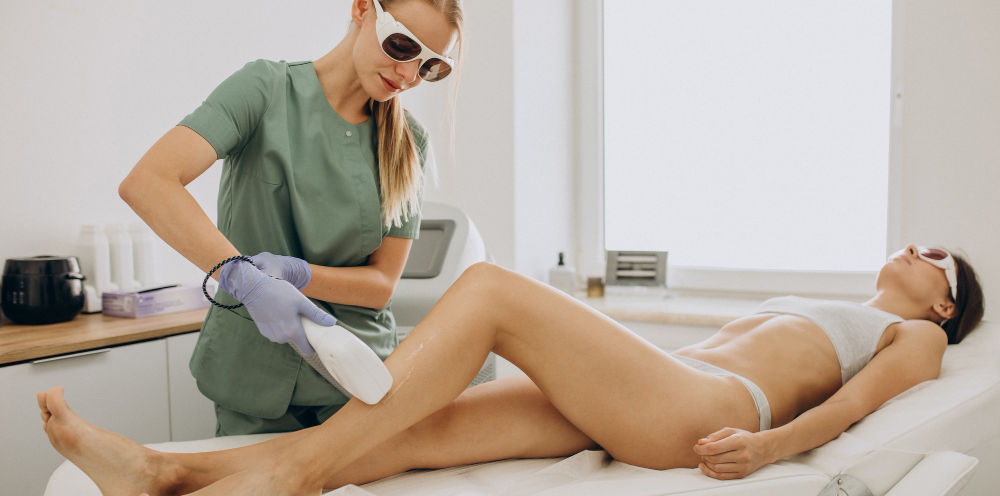
Why Hydrafacial Aligns With Modern Self Care Trends
Consumers today value treatments that support both appearance and wellness. That is one reason why Hydrafacial has become so widely requested in medspas and skincare clinics.
Clients appreciate treatments that feel relaxing while also improving skin hydration and texture. The combination of comfort and visible results makes the service attractive to busy professionals and wellness focused consumers.
Businesses that position skincare as part of a healthy self care routine often connect more effectively with modern audiences. Educational resources such as Hydrafacial pages help customers understand treatment benefits while building trust in the brand.
Customers increasingly prefer businesses that focus on long term skin health rather than unrealistic beauty standards.
Creating Wellness Experiences That Build Loyalty
The overall customer experience has become extremely important in wellness businesses. Consumers want to feel welcomed, understood, and cared for throughout their visits.
Businesses that create calming environments and personalized consultations often generate stronger customer loyalty. Attention to detail, professional communication, and supportive staff interactions all contribute to positive experiences.
Offering complementary services can also improve customer satisfaction and retention. Treatments like Laser Hair Removal help businesses create complete beauty and wellness solutions that fit modern self care routines.
Clients who feel emotionally connected to a business are often more likely to return regularly and recommend services to others.
Marketing Wellness Services in the Digital Age
Digital marketing plays a major role in promoting self care focused beauty services. Consumers frequently search online for skincare advice, treatment recommendations, and wellness inspiration.
Social media platforms allow businesses to showcase treatment experiences, customer transformations, and educational content that resonates with wellness minded audiences.
Search engine optimization helps beauty brands attract consumers actively looking for professional skincare services online. Informative blog content can improve visibility while building trust and authority.
Email marketing also supports customer engagement by sharing skincare tips, appointment reminders, and seasonal promotions.
Businesses that consistently provide helpful and authentic content often create stronger online communities and customer relationships.
Future Trends in Wellness and Self Care
The future of self care within the beauty industry will likely become even more personalized. Consumers increasingly want treatments tailored to their unique goals and lifestyles.
Technology may help businesses provide more customized recommendations through digital consultations and advanced skincare analysis tools. However, customers will still value genuine human interaction and professional guidance.
Sustainability and mental wellness may also become more important influences on purchasing decisions. Brands that support holistic wellbeing could continue gaining popularity.
Businesses that combine innovation, personalization, and strong customer care will likely continue leading the wellness market.
Conclusion
Self care trends continue shaping the beauty and wellness industry as consumers seek treatments that support confidence and overall wellbeing. Services like Hydrafacial have become highly popular because they combine relaxation, skincare benefits, and convenience. Businesses that focus on customer experience, education, and authentic communication are building stronger loyalty and long term growth opportunities. As consumer expectations continue evolving, wellness brands that prioritize personalized care and emotional connection will remain successful in competitive markets.